Strong Suction for Handheld Vacuums: AW, kPa & Water Lift
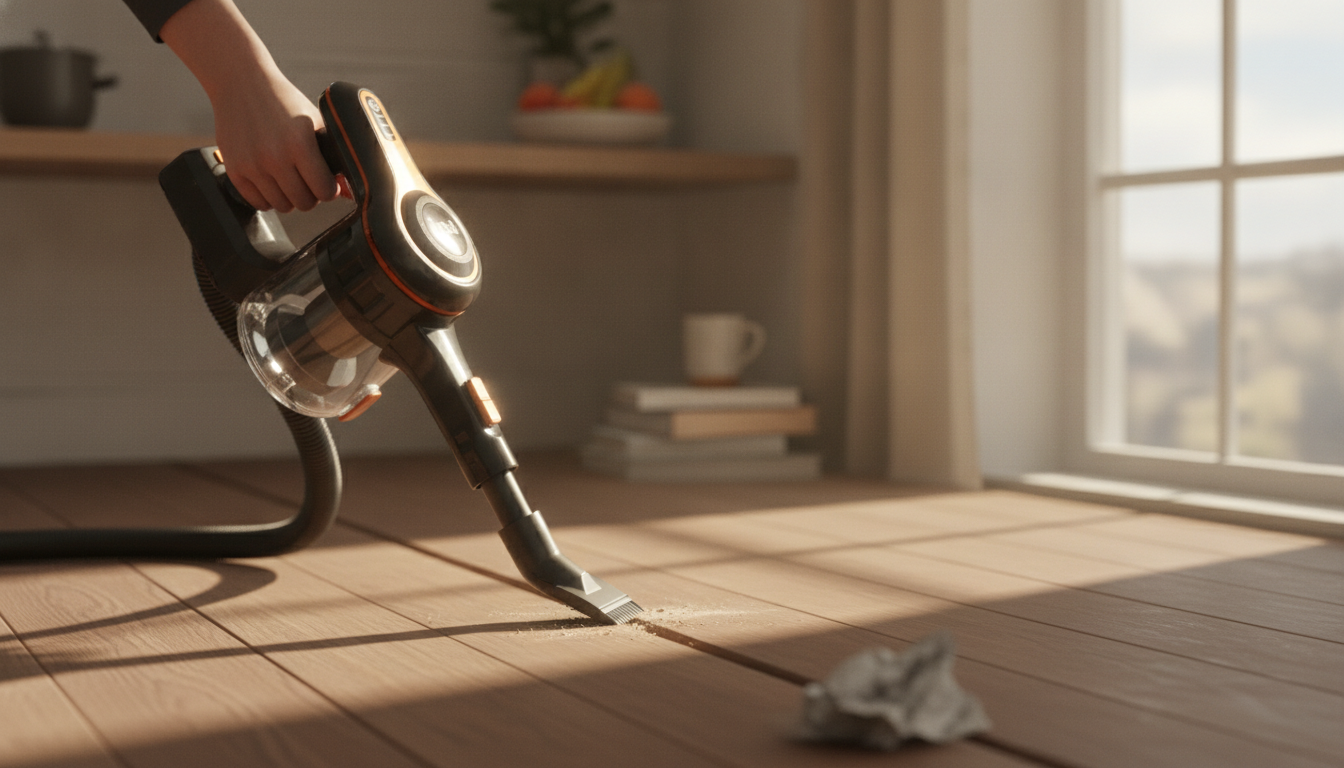
What is considered strong suction for a handheld vacuum?
“Strong suction” for a handheld vacuum usually means it can pull up heavier debris (sand, pet hair embedded in upholstery, crumbs in car carpets) without repeated passes and without bogging down when the filter starts to load. Because brands measure power in different ways, the most useful approach is to compare common suction metrics and pair them with real-world use.
Typical numbers that signal strong suction
If a handheld lists Air Watts (AW), a practical benchmark is:
- 10–20 AW: light-duty pickup (crumbs, dust, quick touch-ups)
- 20–30 AW: solid everyday performance for cars and furniture
- 30–40+ AW: generally considered strong suction for handhelds, especially cordless models
If suction is listed as kPa (kilopascals), strong handheld performance often starts around 15–20 kPa, with some higher-end units exceeding that. If you see water lift (inches of H2O), handhelds that reach roughly 60+ inches tend to feel notably powerful, especially for crevices and car mats.
Why suction alone doesn’t tell the whole story
Two handhelds can have similar suction numbers but perform differently because airflow (CFM), nozzle design, and sealing all affect pickup. Strong suction paired with poor airflow can struggle with larger debris, while good airflow with weak suction may fail at pulling dirt from fabric. A motorized brush tool can also make a “moderate” handheld feel stronger on upholstery by agitating fibers.
Cordless vs. corded expectations
Corded handhelds can sustain higher power longer, while cordless models may advertise a strong “max” mode that runs for only a few minutes. For cleaning cars, look for strong suction and a usable runtime at that power level, plus easy-to-clean filters so performance doesn’t drop mid-job.
For a deeper breakdown of measurements and what to prioritize when shopping, visit this guide on strong suction for handheld vacuums.
FAQ
How do I maintain suction on a handheld vacuum?
Empty the bin before it’s packed, clean or replace filters on schedule, and check the nozzle and crevice tool for clogs. Washing reusable filters and fully drying them before reinstalling helps prevent airflow restriction.









Leave a comment