Explore Our Exclusive Furniture House Collections Today!
Furniture House: Your Complete Guide to Choosing and Buying Home Furniture
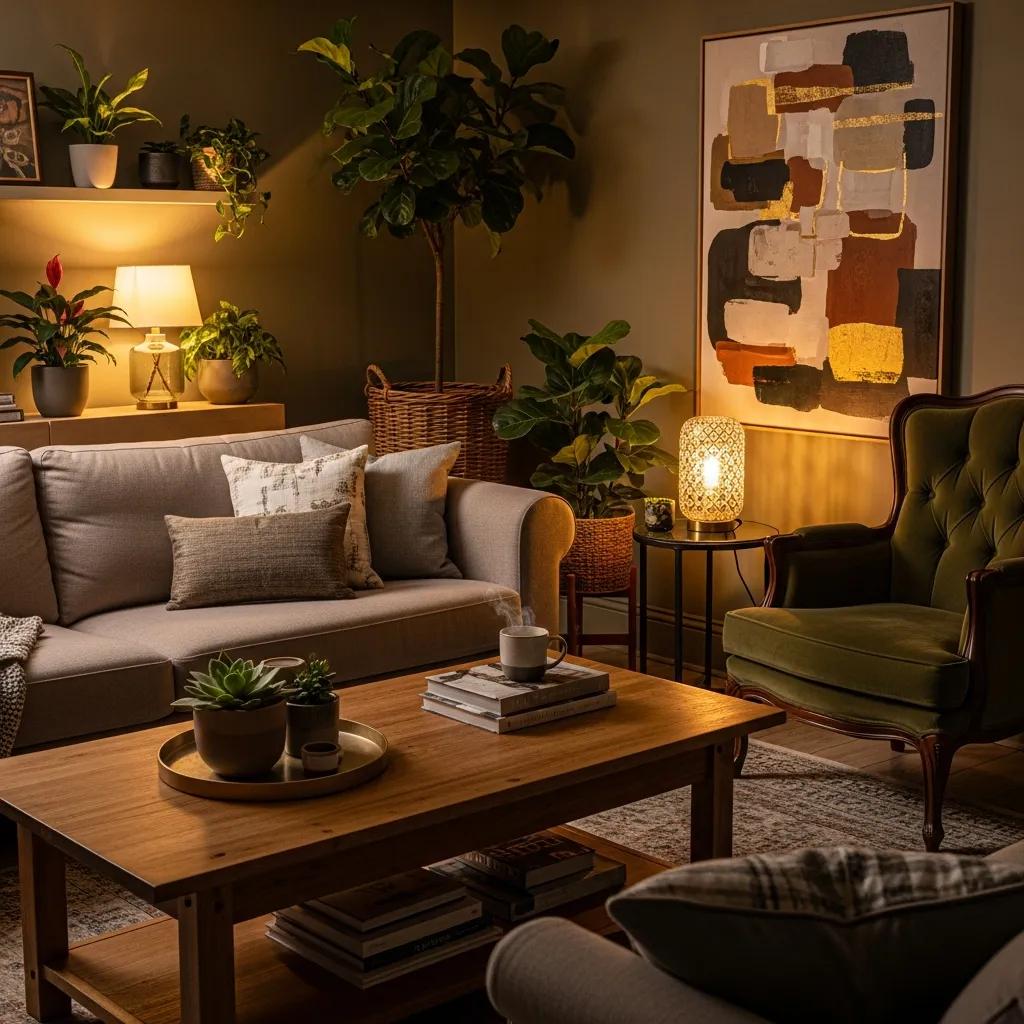
Choosing the right furniture for your home can be a daunting task, given the myriad of styles, materials, and functionalities available. This comprehensive guide aims to simplify the process by providing insights into essential furniture types, modern selection strategies, and maintenance tips. A well-furnished home not only enhances aesthetic appeal but also improves comfort and functionality. Many homeowners struggle with making informed choices that reflect their personal style while meeting practical needs. This guide offers solutions by exploring various furniture styles, budget-friendly options, and custom designs that can elevate your living space. We will cover essential furniture types, tips for selecting modern pieces, where to find affordable options, the benefits of custom designs, and maintenance practices to ensure longevity. Shop affordable furniture here
What Are the Essential Types of Furniture for Every House?
Understanding the essential types of furniture is crucial for creating a functional and inviting home. Each room in your house serves a different purpose, and the furniture you choose should reflect that. The primary categories of furniture include living room furniture, bedroom furniture, dining room furniture, and outdoor furniture. Each type plays a significant role in enhancing the overall ambiance and usability of your space.
| Furniture Type | Functionality | Style Considerations |
|---|---|---|
| Living Room Furniture | Comfort and social interaction | Sofas, chairs, coffee tables |
| Bedroom Furniture | Rest and relaxation | Beds, dressers, nightstands |
| Dining Room Furniture | Meals and gatherings | Dining tables, chairs, buffets |
| Outdoor Furniture | Leisure and entertainment | Patio sets, loungers, umbrellas |
This table highlights the essential furniture types and their respective functionalities, helping you make informed decisions when furnishing your home.
Which Living Room Furniture Pieces Should You Consider?
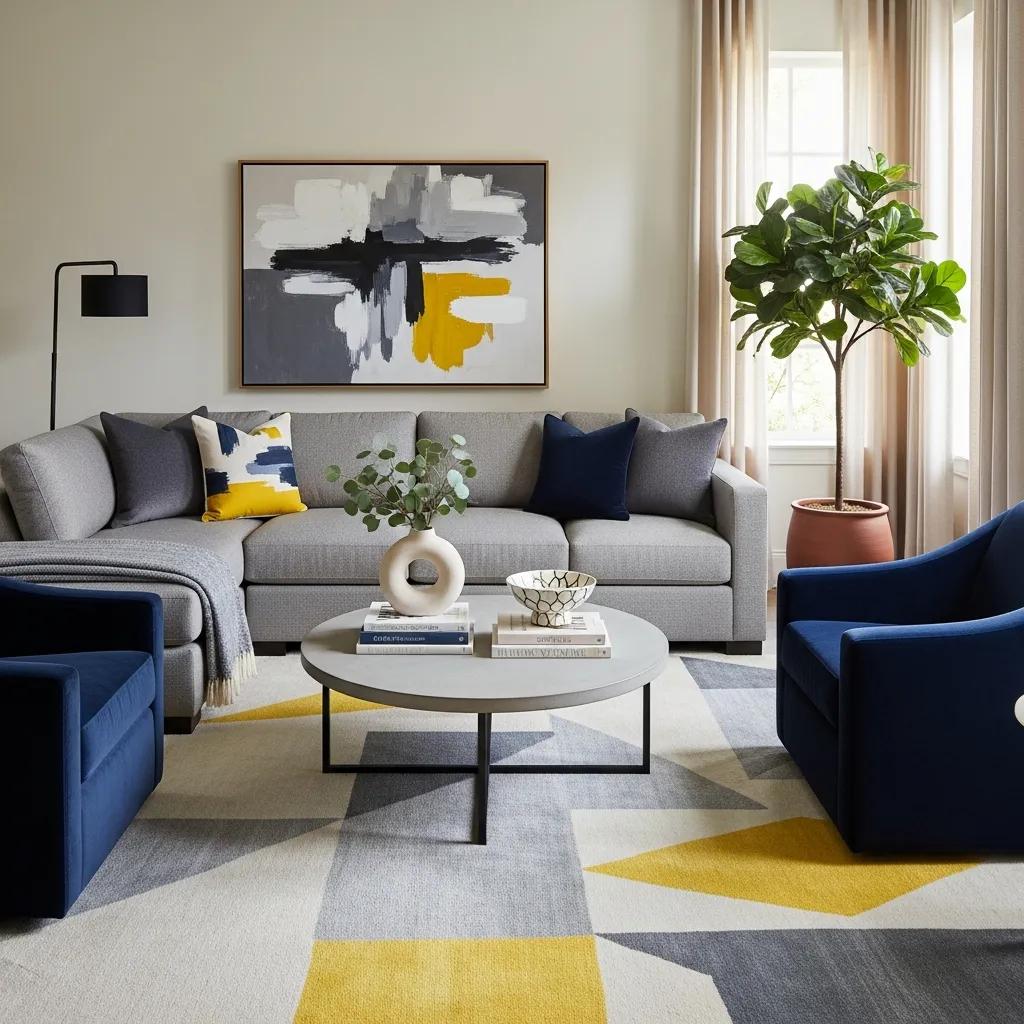
When selecting living room furniture, comfort and style are paramount. Key pieces to consider include sofas, armchairs, and coffee tables. Sofas serve as the centerpiece, providing seating for family and guests. Opt for styles that complement your decor, whether modern, traditional, or eclectic. Additionally, consider the size of your space; a sectional sofa may work well in larger areas, while a loveseat is ideal for smaller rooms. Accent chairs can add personality and provide extra seating, while coffee tables should be both functional and stylish, serving as a focal point in the room.
What Bedroom Furniture Sets Are Ideal for Comfort and Style?
In the bedroom, comfort and aesthetics are essential for creating a restful environment. A well-coordinated bedroom furniture set typically includes a bed, nightstands, and a dresser. When choosing a bed, consider the size that fits your space and personal preference, such as a king or queen size. Nightstands should complement the bed and provide convenient storage for essentials. Dressers are crucial for organization and can also serve as decorative surfaces for personal items. Look for sets that reflect your style, whether it be contemporary, rustic, or minimalist, to create a cohesive look.
How to Choose Modern Home Furniture That Fits Your Style and Space
Selecting modern home furniture involves understanding your personal style and the dimensions of your space. Modern furniture often emphasizes clean lines, functionality, and minimalism, making it essential to choose pieces that not only look good but also serve a purpose.
What Are Popular Furniture Styles and Materials in 2024?
In 2024, popular furniture styles include mid-century modern, Scandinavian, and industrial designs. Mid-century modern furniture is characterized by its sleek lines and organic shapes, while Scandinavian design focuses on simplicity, functionality, and light colors. Industrial styles often incorporate raw materials like metal and wood, creating a rugged yet stylish look. When it comes to materials, wood remains a classic choice, but metal and upholstered pieces are popular for their versatility and comfort. Each style offers unique benefits, allowing you to select pieces that resonate with your aesthetic preferences.
How Do Wood, Metal, and Upholstery Materials Compare?
When choosing furniture materials, consider the durability, maintenance, and aesthetic appeal of each option. Wood is timeless and can be refinished, making it a long-lasting choice. Metal furniture is often more durable and can withstand wear and tear, making it suitable for high-traffic areas. Upholstered furniture offers comfort and can be customized with various fabrics, but it may require more maintenance to keep it looking fresh. Understanding the pros and cons of each material will help you make informed decisions that align with your lifestyle.
Where to Find Affordable Furniture Stores and Deals Near You
Finding affordable furniture doesn’t have to be a challenge. Many stores offer budget-friendly options without compromising on quality.
What Are the Best Tips for Buying Budget-Friendly Furniture?
To maximize your budget, consider shopping during sales events, such as holiday weekends or end-of-season clearances. Additionally, explore online marketplaces and local thrift stores for unique finds at lower prices. Researching brands and reading reviews can also help you identify quality pieces that fit your budget. Don’t hesitate to negotiate prices, especially in local stores, as many retailers are willing to offer discounts to close a sale.
How to Evaluate Furniture Quality When Shopping Affordably?
When shopping for budget-friendly furniture, it’s essential to assess quality to ensure longevity. Look for solid wood construction, sturdy joints, and high-quality upholstery. Check for warranties or guarantees, as reputable brands often stand behind their products. Additionally, consider the weight of the furniture; heavier pieces are typically more durable. By focusing on these quality indicators, you can find affordable options that will last for years.
Indeed, research confirms that consumers prioritize durability and performance when making furniture purchasing decisions, often valuing these aspects over pure aesthetics.
Consumer Furniture Buying: Quality, Durability & Aesthetics Utilizing a detailed survey, the study captured consumer perceptions of factors influencing furniture purchases, focusing on Garvin’s eight quality dimensions: Suitability, Perceived Quality, Features, Aesthetics, Service, Durability, Reliability, and Performance. The findings underscored the paramount importance that consumers placed on durability and performance, suggesting a pragmatic approach to furniture buying where functionality trumped aesthetics. The Impact of Quality Dimensions and Some Other Critical Factors on Consumers’ Furniture Purchasing Decisions, MN İnce, 2024
What Custom Furniture Designs Can Enhance Your Home’s Uniqueness?
Custom furniture allows you to create pieces that perfectly fit your space and style. This option is ideal for homeowners looking to enhance their home’s uniqueness and functionality.
While often perceived as a luxury, custom furniture can also be designed with affordability in mind, especially for specialized, smaller-scale productions.
Affordable Custom Furniture Design of furniture are produced aiming to be affordable and low cost, but small series of specialized design furniture Custom design of furniture elements by fused filament fabrication, M Zivkovic, 2017
How Does Customization Improve Furniture Function and Style?
Customization enables you to select materials, colors, and designs that align with your vision. This process not only enhances the aesthetic appeal of your furniture but also ensures that each piece serves a specific purpose in your home. For example, a custom-built bookshelf can be designed to fit a particular wall space, maximizing storage while adding character to the room. Additionally, custom furniture can incorporate features that cater to your lifestyle, such as built-in storage or multi-functional designs.
What Are Popular Custom Furniture Options for Different Rooms?
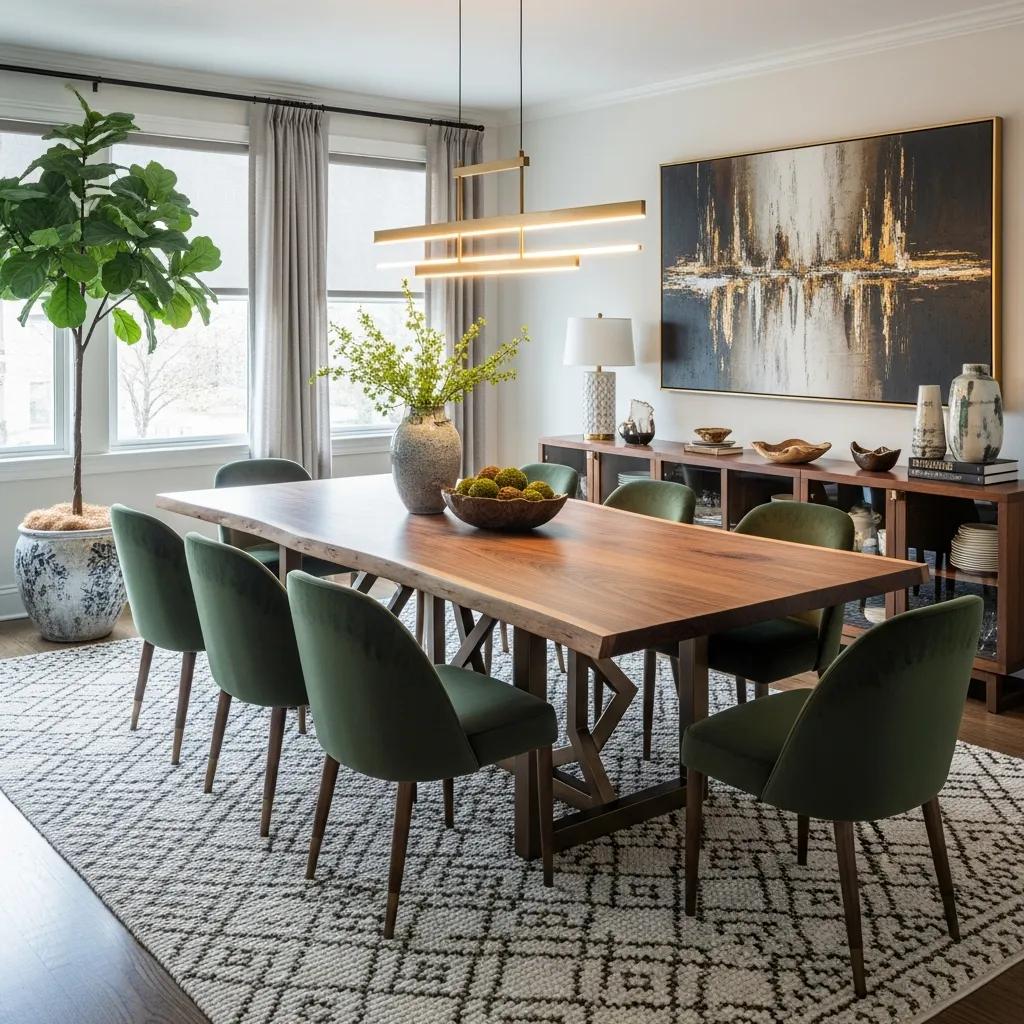
Popular custom furniture options vary by room. In the living room, consider custom sofas or sectionals that fit your space perfectly. For bedrooms, custom beds with integrated storage can optimize space while maintaining style. In dining areas, custom tables can be designed to accommodate your family size and dining preferences. Each of these options allows for personalization, ensuring that your furniture not only looks great but also meets your practical needs.
How to Maintain and Care for Your Furniture to Ensure Longevity
Proper maintenance is key to ensuring the longevity of your furniture. Different materials require specific care techniques to keep them looking their best.
What Are Best Practices for Cleaning and Preserving Wood Furniture?
To maintain wood furniture, regularly dust surfaces with a soft cloth to prevent scratches. Use a damp cloth for deeper cleaning, followed by a dry cloth to avoid moisture damage. Applying a quality wood polish every few months can help protect the finish and enhance shine. Avoid placing wood furniture in direct sunlight to prevent fading and warping.
How to Protect Upholstered and Metal Furniture from Wear?
For upholstered furniture, regular vacuuming helps remove dust and debris. Spot clean stains immediately with appropriate cleaners, and consider using fabric protectors to guard against spills. For metal furniture, wipe down surfaces with a damp cloth and dry immediately to prevent rust. Applying a protective coating can also help maintain the finish and prevent scratches. Shop affordable furniture here









Leave a comment