Lightweight Bagless Canister Vacuum for Apartments & Stairs
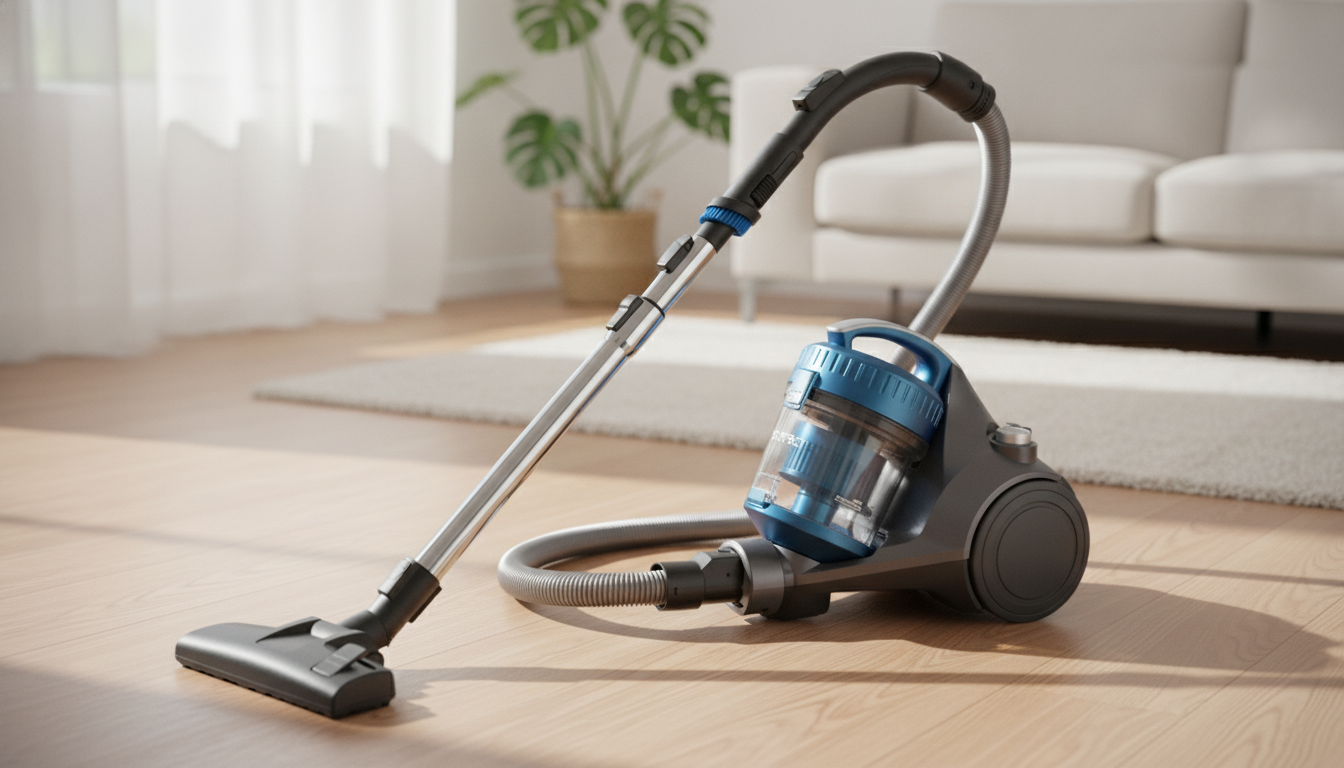
Lightweight Bagless Canister Vacuum: Easy Cleaning for Apartments, Stairs, and Tight Spaces
A compact canister vacuum can make everyday cleanup faster—especially in homes with stairs, mixed flooring, and hard-to-reach corners. Lightweight, bagless designs are built for quick pickups without the bulk of many traditional uprights, while still offering the reach of a hose-and-wand setup. Below is what to look for in a lightweight bagless canister vacuum, how to use it efficiently on common apartment surfaces, and how to keep suction strong with simple, repeatable maintenance.
For anyone focused on healthier indoor air, routine dust removal also matters. Resources like the U.S. Environmental Protection Agency (EPA) Indoor Air Quality page and the American Lung Association indoor air guidance highlight how everyday dust and particles can build up indoors—making consistent cleaning a practical habit, not just a cosmetic one.
Why a lightweight bagless canister vacuum fits everyday homes
Lightweight canister vacuums are popular in apartments and small-to-medium homes because they make frequent cleaning feel less like a project and more like a quick reset.
- Simplifies room-to-room cleaning: A smaller canister is easier to carry, store, and maneuver than many bulky uprights—especially around furniture and narrow hallways.
- Works well on mixed flooring: Canister form factors often transition smoothly between hard floors, rugs, and edges without constantly re-tilting or wrestling a heavy body.
- Helps with stairs and above-floor cleaning: Hoses and wands reach steps, baseboards, vents, and furniture without lifting a heavy main unit.
- Bagless convenience: Emptying a dust cup avoids recurring bag purchases, while filters still need routine care to keep airflow strong.
- Best for small-to-medium spaces: Great for apartments, condos, and homes where storage space matters.
Key features that matter most
Two canister vacuums can look similar yet perform differently in real rooms. These are the details that usually separate “fine for crumbs” from “handles daily dust and grit”:
- Suction and airflow: Pickup depends on both motor power and clear airflow through the hose, cyclone, and filters. A strong motor won’t help if the pathway clogs easily.
- Filtration quality: If fine dust is common (tracked-in dirt, litter, drywall dust, heavy pollen seasons), prioritize an effective filter system and good sealing around the bin.
- Weight and portability: Consider carry handles, cord storage, and balance—not just the listed weight. A well-balanced canister is easier on stairs and landings.
- Attachments for real-life messes: Crevice tools for edges, brush tools for upholstery, and floor tools suited to hard floors and rugs make a bigger difference than most people expect.
- Dust cup design: Larger capacity reduces emptying, while a tidy release mechanism helps keep hands cleaner and minimizes dust plumes.
- Cord length and reach: Longer cords and practical hose/wand reach reduce outlet switching and awkward repositioning in small rooms.
- Noise and comfort: Smooth wheels, a swivel hose, and a more controlled sound profile can reduce fatigue during longer sessions.
Product spotlight: Lightweight Bagless Canister Vacuum
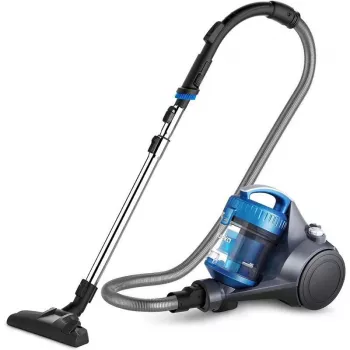
If the goal is easy maintenance cleaning in compact living spaces, the Lightweight Bagless Canister Vacuum is designed around straightforward handling and bagless convenience. Canister-and-wand layouts are especially useful for corners, tight areas, and under-furniture reach where upright bodies can struggle to fit.
For best results, match the included floor head and tools to your home’s flooring mix (hard floors, low-pile rugs, or a combination). Used consistently, a lightweight canister setup can be a practical choice for routine dust, crumbs, and tracked-in debris—particularly in apartments, condos, and multi-level spaces with stairs.
| Item | Detail |
|---|---|
| Product | Lightweight Bagless Canister Vacuum |
| Price | 103.47 USD |
| Availability | In stock |
| Best for | Apartments, stairs, mixed rooms, tight spaces |
| Format | Bagless canister |
How to use a canister vacuum for better results
Small technique changes can improve pickup and reduce the “why did this take so long?” feeling—especially on hard floors and stairs.
Maintenance routine to keep suction strong
| Task | How often | Why it matters |
|---|---|---|
| Empty dust cup | After each cleaning or when near the fill line | Prevents airflow loss and dust blow-by |
| Check/clean filters | Every 2–4 weeks (more often with pets) | Supports suction and reduces fine dust recirculation |
| Inspect hose/wand for clogs | Monthly | Restores airflow and helps prevent overheating |
| Remove hair from tools | Monthly or as needed | Improves pickup and keeps heads gliding smoothly |
Who it’s best for (and when to consider another style)
Other practical home add-ons (optional)
- Artificial Tall Tree with Pot for low-maintenance décor that doesn’t shed soil or leaves.
- 36″ Dual-Purpose Landscape & Lake Rake for outdoor cleanup that helps keep tracked-in debris down at the source.
FAQ
Are bagless canister vacuums good for allergies?
They can be, especially when the vacuum has effective filtration and good sealing. Keep filters maintained and empty the dust cup carefully to reduce dust blowback.
How often should the filter be cleaned on a bagless vacuum?
A practical range is every 2–4 weeks, and more often in homes with pets or heavy dust. Always follow the manual—some filters can be rinsed, while others should be tapped clean, brushed, or replaced.
Why did the suction suddenly drop on a canister vacuum?
Common causes include a full dust cup, clogged hose/wand, dirty filters, a blockage in the floor head, or a bin/gasket that isn’t seated correctly. Empty the cup first, then check filters and airflow paths step-by-step until suction returns.









Leave a comment