Pocket DAB/DAB+ FM Radio with Bluetooth & MP3
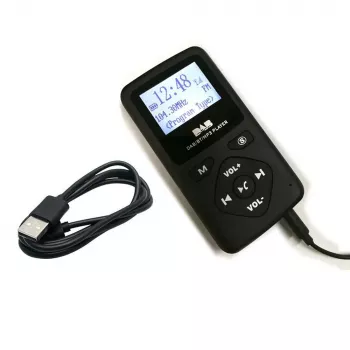
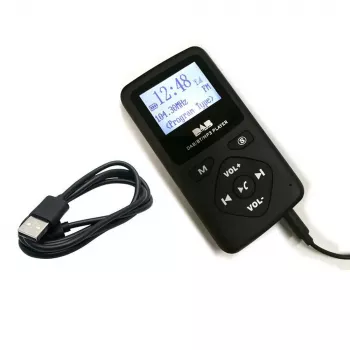
Pocket DAB/DAB+ FM Digital Radio with Bluetooth MP3 Player and LCD Display
A pocket-size digital radio can make everyday listening simpler—especially when it combines modern station reception with flexible playback options. This compact model brings together DAB/DAB+ and FM radio, Bluetooth audio, and MP3 playback, with an LCD display that helps you confirm your station and mode quickly while you’re on the move or relaxing at home.
What it is and what it’s made for
This style of pocket digital radio is designed for easy, grab-and-go listening. It’s a practical fit for travel days, commutes, quick breaks at the office, and casual use around the house—like in the kitchen or on a bedside table.
- Pocket-size form factor that’s easy to stash in a bag, drawer, or carry-on
- Multiple listening modes: DAB/DAB+ digital radio, FM radio, Bluetooth streaming, and MP3 playback
- LCD display provides clear confirmation of station, mode, and basic status at a glance
- A simple way to enjoy radio plus phone audio without carrying a larger speaker
If you want to see the full product details and current pricing, visit the Pocket DAB/DAB+ FM Digital Radio with Bluetooth MP3 Player and LCD Display product page.
Features at a glance
The main appeal is how quickly you can switch between “live radio” and “your audio,” without needing separate devices.
- DAB/DAB+ radio for digital stations where available
- FM radio for broad compatibility and local broadcasts
- Bluetooth mode for wireless audio from a phone or tablet
- MP3 player mode for playing stored audio (where supported by the device’s inputs)
- LCD display for easier navigation than dial-only radios
Core functions and why they matter
| Function | What it does | Why it’s useful |
|---|---|---|
| DAB/DAB+ | Receives digital radio stations | More station choice in many areas and easier station selection |
| FM | Receives analog FM broadcasts | Useful fallback in areas without strong digital coverage |
| Bluetooth | Streams audio wirelessly from a phone/tablet | Turns the radio into a compact wireless speaker |
| MP3 player | Plays compatible audio files from supported storage/input | Convenient for offline listening without streaming |
| LCD display | Shows station/mode information | Faster, clearer navigation and confirmation of settings |
Listening experience: reception and audio basics
Radio performance is always a mix of the device and your environment. Digital radio can sound clean and stable with a good signal, but it’s more “all or nothing” than FM—so placement matters.
- DAB/DAB+ performance depends heavily on local coverage and indoor signal strength; placement near a window can help.
- FM can be more forgiving in some locations and is helpful when digital reception is inconsistent.
- For best clarity, start with an auto-scan (or station scan) so the radio builds a station list in DAB mode.
- If audio drops or crackles on digital, try repositioning the device and rescanning to refresh the station list.
For background on how DAB coverage and tuning works in general, helpful references include Digital Radio UK: Coverage and how DAB works and Ofcom: Digital radio (DAB) information.
Bluetooth and MP3 playback: practical ways to use it
Bluetooth is the “bridge” between radio listening and everything on your phone—podcasts, playlists, audiobook apps, and even streaming radio services when you’re outside DAB coverage.
- Bluetooth mode is ideal for podcasts, playlists, and calls/audio from a paired phone (depending on device support).
- Keep the phone within typical Bluetooth range and reduce obstacles for a steadier connection.
- MP3 mode is useful for offline audio when mobile data is limited or unavailable.
- Switching modes is typically faster when the device has clear labels and the display confirms the active source.
Bluetooth capabilities vary by device design, but the technology basics are consistent—more detail is available from the Bluetooth SIG: Bluetooth technology overview.
Controls and LCD display: day-to-day usability
A small radio is only enjoyable if it’s easy to operate. The LCD screen is especially helpful when you’re moving between bands and sources, since it removes a lot of the guesswork.
- LCD display helps confirm the selected band (DAB/FM) or source (Bluetooth/MP3) without guesswork.
- Look for station name readouts on DAB where supported, rather than relying only on frequencies.
- A straightforward control layout matters most for quick tasks: scanning stations, adjusting volume, and switching modes.
- If the screen is hard to read in bright light, adjusting viewing angle can improve legibility.
Portability and everyday carry considerations
Portability is the point of a pocket radio: it can live wherever you do—desk, bag, suitcase, or kitchen counter. A few simple habits also help protect small electronics over time.
- A pocket form factor suits backpacks, desk drawers, kitchens, and travel bags.
- Bluetooth adds flexibility: use it as a small speaker even when radio reception is weak.
- For outdoor use, reception and audio volume can be affected by wind and ambient noise; consider sheltered positioning.
- Store and transport the device in a way that prevents pressure on the display and buttons.
Setup tips and common fixes
Who this radio suits best
More in-stock items to consider
FAQ
Does it work as a radio without a phone?
Yes. DAB/DAB+ and FM reception work independently, so you can listen without pairing anything. Bluetooth is optional and only needed when streaming audio from another device.
How does Bluetooth pairing usually work?
Switch the radio to Bluetooth mode, then enable Bluetooth on your phone and select the radio from the available devices list. If it doesn’t connect, remove it from your phone’s saved devices and try pairing again.
Why do some DAB stations cut out indoors?
DAB/DAB+ relies on a steady digital signal, and indoor walls or distance from transmitters can reduce stability. Moving closer to a window, changing position, and rescanning stations often improves reception.









Leave a comment